
DATPOL · DESIGN · IMPLEMENTATION · SUPPORT
CCTV that helps your team respond.
CCTV design, installation and support for towns, factories, warehouses, banks and outdoor sites, including waste storage and coal yards in Poland.
Discuss your site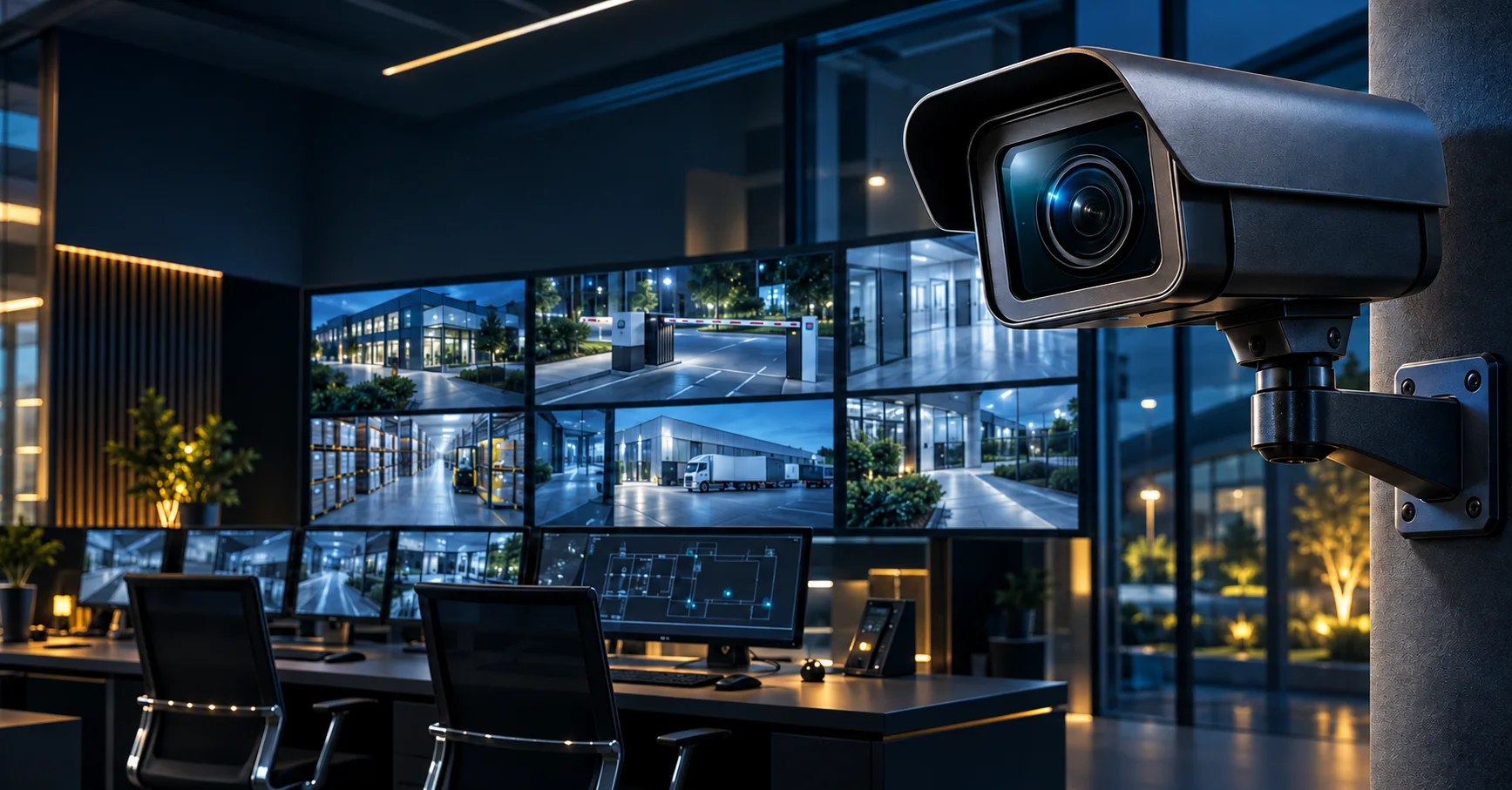
Explore the systems and services
- Define the image requirement before the camera
- Town centres and public spaces
- Halls, warehouses and logistics
- Outdoor sites and perimeter protection
- Banks and areas requiring closer control
- Coal yards and self-heating materials
- Hazardous waste and waste storage sites
- Manufacturing and process observation
- Secure viewing, acceptance and maintenance
01 / DATPOL
Define the image requirement before the camera
Design starts with the task: observing activity, detecting an event, recognising a subject or identifying someone. We establish coverage, distance, lighting, obstructions, required detail and operator response. Megapixel count alone does not determine evidential value.
The design covers cameras and lenses, networks and fibre, power, recording capacity and viewing positions. Night conditions, rain, headlights, dust, vegetation and seasonal changes are considered. Infrastructure, licences, analytics and maintenance are separately priced.
02 / DATPOL
Town centres and public spaces
Squares, parks, junctions, transport stops, car parks and municipal buildings require clear responsibilities. We select fixed and PTZ cameras, communications links and the viewing centre. A PTZ camera supplements coverage; it cannot guarantee recording every direction simultaneously.
The scope can include a camera map, availability monitoring, evidence export and an agreed operator workstation. Links are designed for bandwidth and failure resilience. Public internet streaming is a separate use of footage requiring its own privacy assessment.
03 / DATPOL
Halls, warehouses and logistics
Cover entrances, loading bays, aisles, picking areas and dispatch. Camera selection accounts for mounting height, shelving, contrast at external doors and forklift traffic. We test whether recordings explain incidents at the required location rather than merely provide a general hall view.
Images can be associated with access events, alarms or an agreed warehouse-system event. Security staff, managers and administrators receive defined permissions and export rights. Employee monitoring requires a specific purpose and appropriate information arrangements.
04 / DATPOL
Outdoor sites and perimeter protection
Yards, transport depots, solar farms, water infrastructure and extensive industrial sites can share a coordinated system. We assess fencing, blind spots, lighting, mast power and cable routes. Thermal cameras or video analytics can assist intrusion detection but require local testing.
Detection zones, schedules and event filtering reduce nuisance alarms. An event can trigger an agreed voice announcement and operator procedure. See CCTV with voice announcements (Polish).
05 / DATPOL
Banks and areas requiring closer control
The design covers agreed entrances, service areas and back offices while accounting for customer privacy, documents and screens. Image requirements and links to alarms or access control follow the bank’s specification.
Recordings need controlled access, synchronised time and documented export. Recorder protection, backup power, redundancy and recording-failure procedures are agreed. A particular security classification is not promised without assessing the project and client requirements.
06 / DATPOL
Coal yards and self-heating materials
Coal-yard coverage can include entrances, weighbridges, loading and storage. Cameras are selected for dust, dirty optics and night conditions. Housings, cleaning and maintenance access form part of the design, with Ex requirements checked for classified areas.
Thermal imaging can support observation of stockpile surface temperature. Emissivity, weather, distance and obstruction affect results; a camera does not automatically measure the material’s internal temperature. Temperature alarms require agreed thresholds and verification procedures and do not replace fire protection.
07 / DATPOL
Hazardous waste and waste storage sites
We check the video-monitoring obligation and scope against the activity, permit and waste type. The Polish framework includes Article 25 of the Waste Act and the regulation on video control of waste storage and landfill sites. This is more than fitting a few yard cameras.
The design addresses mandatory coverage, round-the-clock recording, sufficient image detail, retention and protection, power and, where applicable, access for the competent inspection authority. Retention follows the applicable obligation rather than recorder defaults.
Acceptance checks blind spots, day and night images, recording continuity, export and response to disk or link failure. Hazardous waste also requires assessment of chemical, fire and explosion risks. CCTV does not replace environmental or fire-protection measures.
08 / DATPOL
Manufacturing and process observation
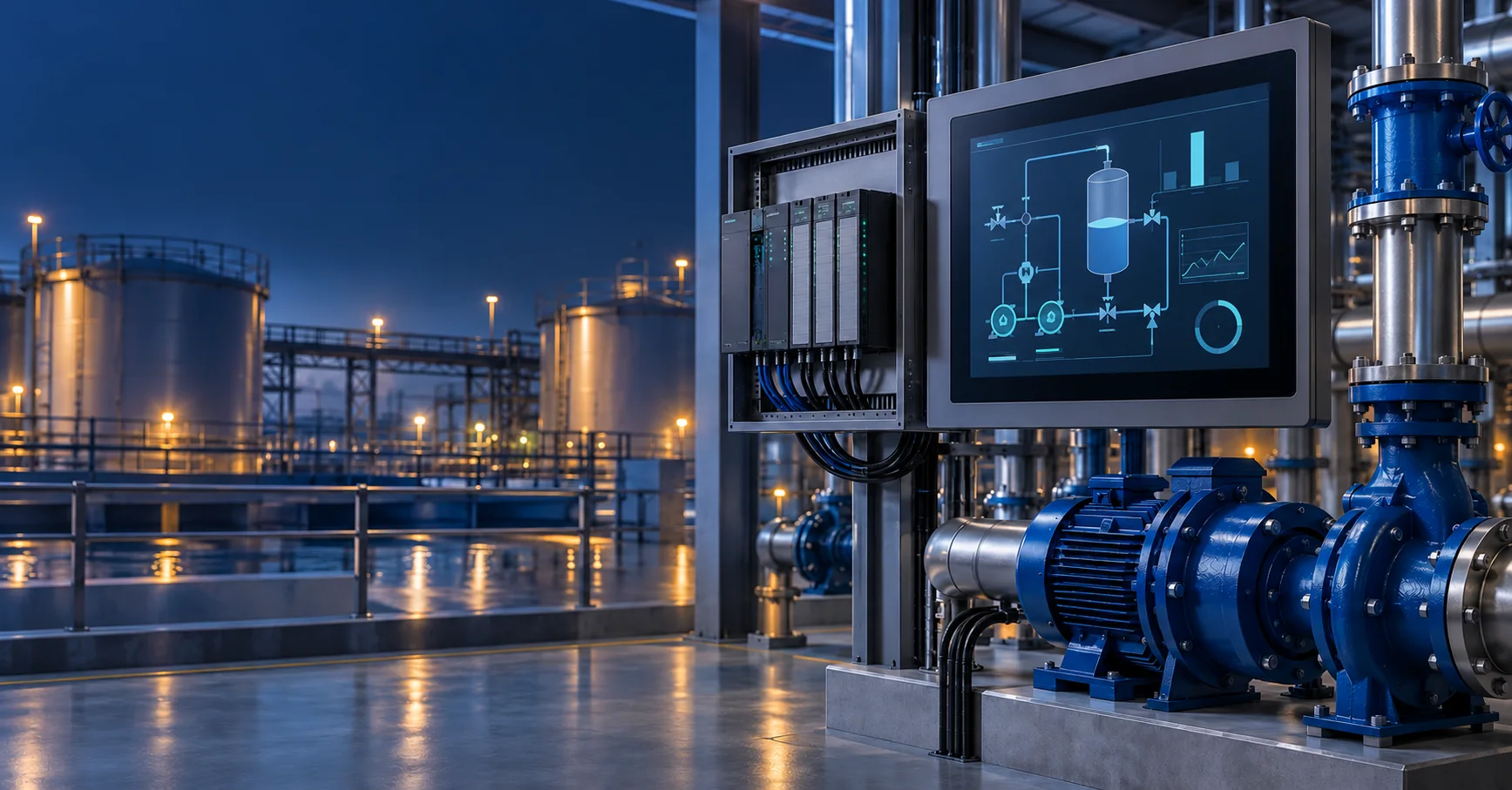
Video can help reconstruct a line stoppage, loading incident or equipment anomaly. Field of view, frame rate and lighting are selected for process speed. Events can be associated with agreed automation signals without uncontrolled access to OT networks.
Process video does not replace validated machine safety functions. Operators need recording and connection status; a frozen frame should not appear to be live footage.
09 / DATPOL
Secure viewing, acceptance and maintenance
We implement individual accounts, roles, segmentation and controlled remote access. Updates, configuration backups, loss-of-video and recording alerts, and disk checks are agreed. Audio recording is not enabled as a default feature.
The data controller defines the legal basis, coverage, retention and information duties. See the Polish data protection authority’s CCTV guidance. Requirements are assessed for installations in Poland. Maintenance covers agreed inspections, cleaning, image checks and incident support.
Send a site plan, building count, monitoring objectives and existing-system details. We will prepare a new-system or upgrade proposal, acceptance criteria and a separate support scope.
Plan the next step.
A new system, an upgrade or a maintenance plan? Send the site details and available documentation.
[email protected]
+48 55 621 29 29