
DATPOL · DESIGN · IMPLEMENTATION · SUPPORT
Automation from design to ongoing support.
PLC, HMI, SCADA, instrumentation, telemetry and energy monitoring. Design, implementation and support with Opomiarowani and Podlicznik services.
Discuss your site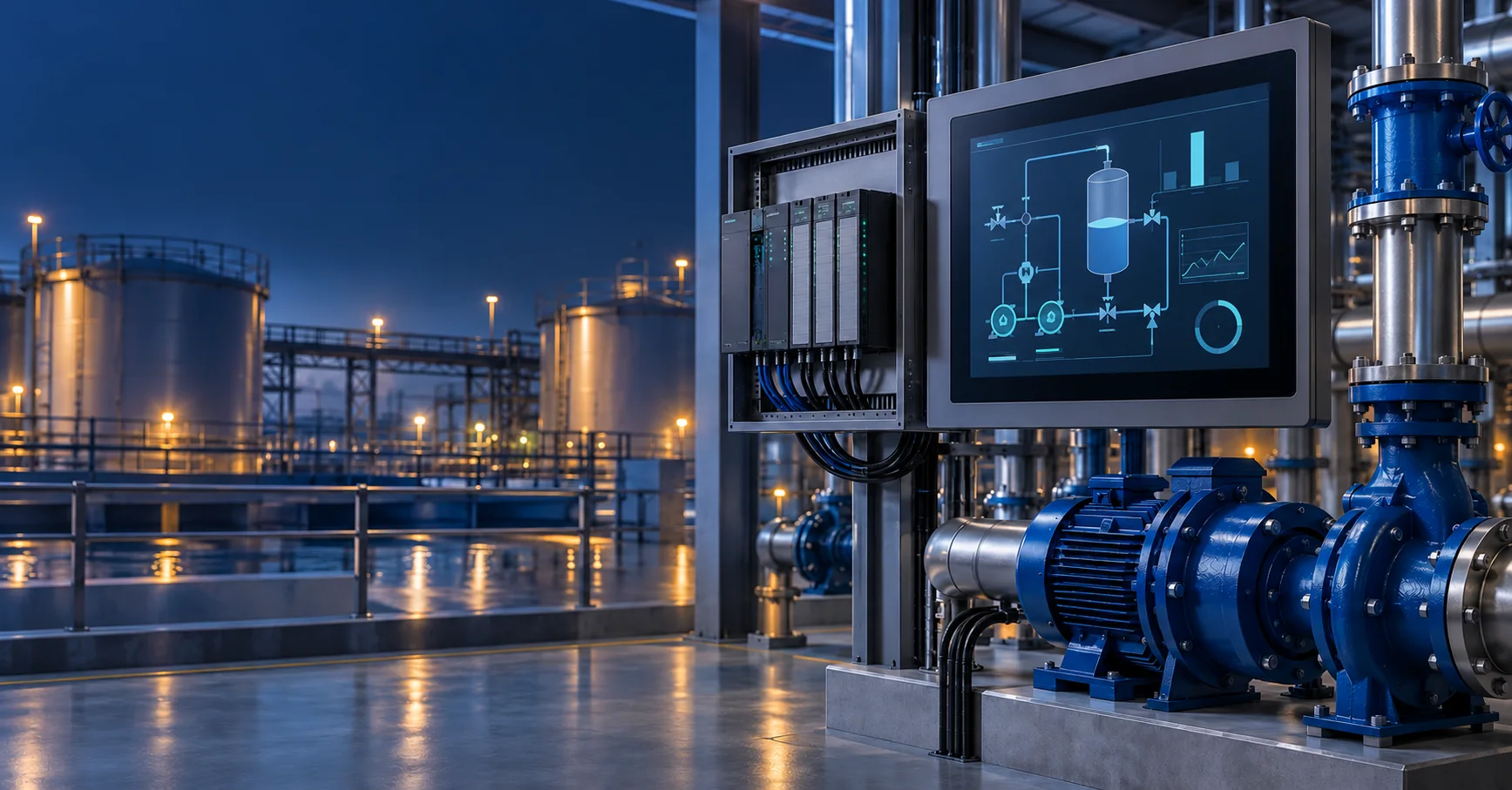
Explore the systems and services
- Design around the process and business objective
- PLC, HMI, SCADA and control panels
- Pumping stations, water and wastewater
- Production, silos and storage conditions
- Buildings, HVAC and lighting
- Opomiarowani: measurement within automation
- Podlicznik: utility usage and cost allocation
- Energy monitoring, solar PV and storage
- Implementation, testing and secure access
- Maintenance and future development
01 / DATPOL
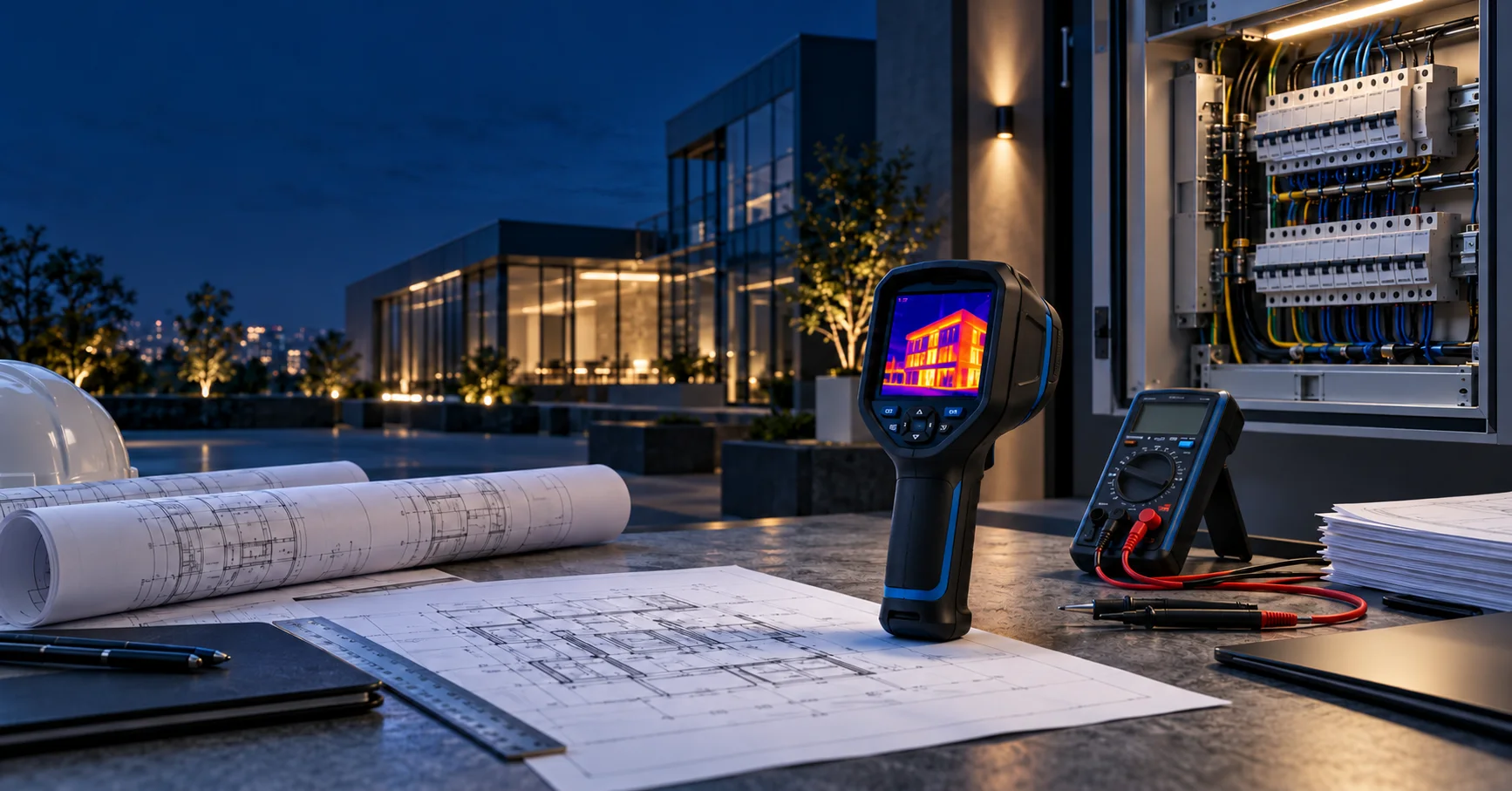
Design around the process and business objective
Production expansion, fewer manual readings, improved repeatability or faster fault diagnosis — these are the starting points. We survey equipment, signals, software, documentation and operator workflows, then define the required outcome and how to verify it.
Deliverables include a functional specification, I/O list, control architecture, panel diagrams, power budget and interface schedule. The design defines failure states, manual and automatic modes, permissions and integration boundaries. Design, hardware, programming, commissioning, licences and support are separately priced.
02 / DATPOL
PLC, HMI, SCADA and control panels
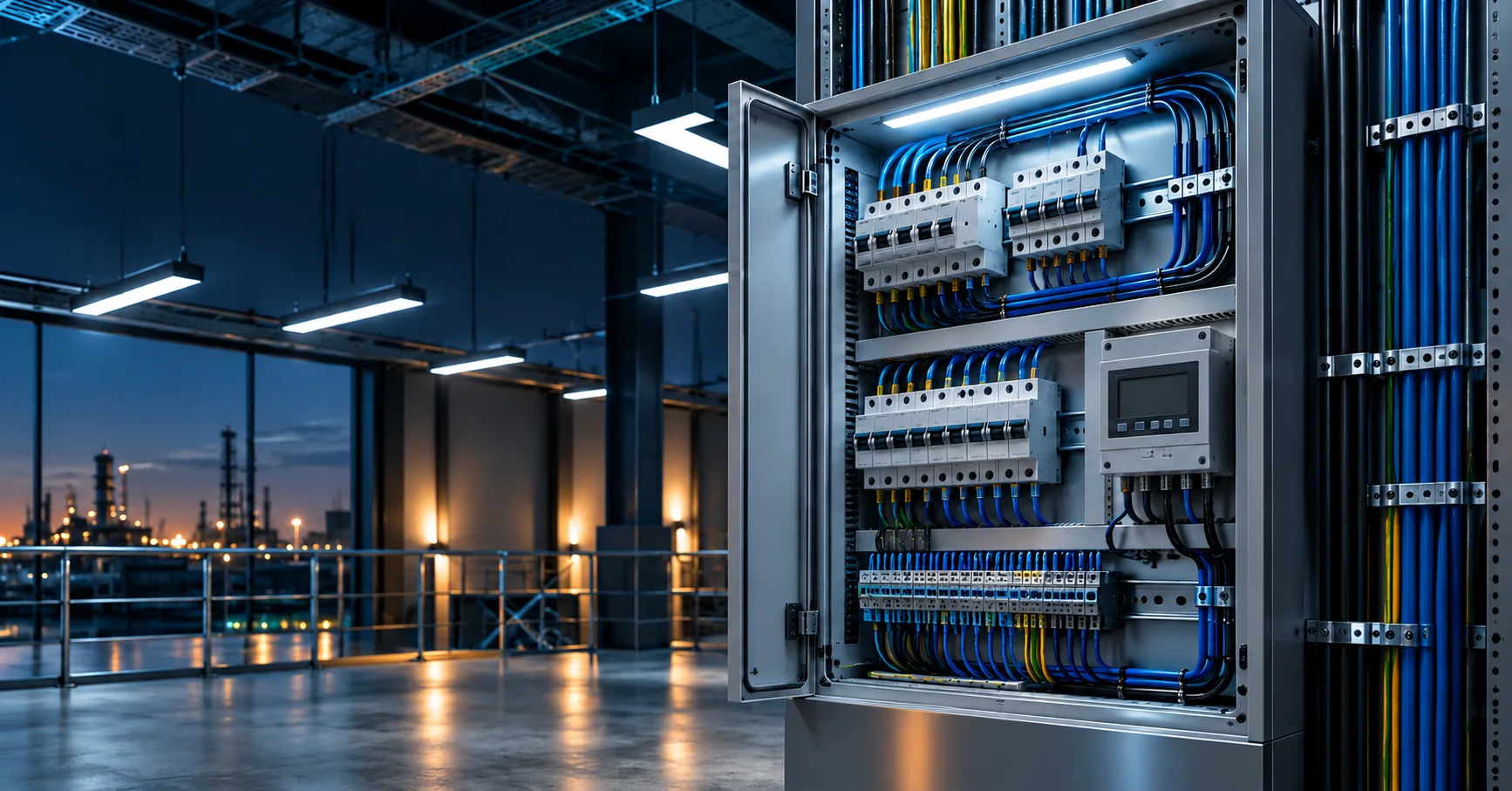
We implement sequences, regulation, process interlocks, schedules and fault responses. Existing systems are upgraded after checking source-program access, compatibility and licences. Panels include the specified protection, power supplies, I/O, drives and identification.
Operator displays show process states, setpoints, trends and time-stamped alarms with context. A remote command and the confirmed equipment state are separate information. Software version records and configuration backups support recovery to an agreed version.
03 / DATPOL
Pumping stations, water and wastewater
Pump controls can cover duty rotation, cascade operation, standby equipment, variable-speed drives and level or pressure dependencies. We integrate flow, level, temperature and fault signals, defining dry-run, overflow, power-loss and communications-loss detection.
Distributed sites can use telemetry and map-based views. Local controls retain their defined behaviour without internet access. Maintenance teams receive event history and a procedure for taking over on site.
04 / DATPOL
Production, silos and storage conditions
We integrate drive sequences, material handling, ventilation, levels and storage conditions. Silos and dryers can use temperature and humidity measurements with deviation alarms. Thresholds follow the process, material and operator requirements.
Dusty, corrosive and potentially explosive environments require appropriate equipment and design. An upgrade must not inadvertently change machine safety functions. Safety assessment, documentation and conformity responsibilities are agreed before modifying controls.
05 / DATPOL
Buildings, HVAC and lighting
We automate ventilation, heating, cooling, lighting and technical signals. Schedules, occupancy and outdoor conditions can support efficient energy use alongside equipment protection, storage conditions and comfort.
Integration with SOMAG and lighting controllers can include mapped assets, circuit states and schedules where interfaces permit. Wired or wireless communications are selected around coverage, latency, data frequency and reliability requirements.
06 / DATPOL
Opomiarowani: measurement within automation
Opomiarowani adds measurement points, data history, thresholds and reports. Depending on the instruments available, the scope can cover temperature, humidity, energy, level, flow, supply status, automatic transfer systems and generators.
Interfaces can include Modbus, pulse inputs and agreed APIs; LoRaWAN may suit distributed sensors. Radio coverage and device power budgets need assessment. Missing data is a separate diagnostic state: an old value must not be presented as a current reading.
07 / DATPOL
Podlicznik: utility usage and cost allocation
Podlicznik organises energy and utility usage by building, unit, tenant or process. Meter identification, readings, reporting periods and recipient permissions form one workflow. Managers receive a broader view, while customers access their assigned scope.
Billing use requires agreed metrological requirements, tariffs, period boundaries and missing-data rules. A measurement report is not automatically an invoice. Actual consumption is distinguished from estimates, and tenancy changes require correct period and reading allocation.
08 / DATPOL
Energy monitoring, solar PV and storage
An Energy Monitoring System supports analysis of load profiles, demand peaks, solar generation and battery operation. Usage can be compared between shifts, sites and periods. Measurement alone does not control the installation: energy-management functions require separate logic and permissions.
Controls may account for agreed limits, load priorities, energy availability and dynamic prices. This requires current data, manufacturer constraints and failure scenarios. Hydrogen installations need a separate process and safety assessment for measurement and integration. Financial benefits are assessed against the site profile, not a universal savings percentage.
09 / DATPOL
Implementation, testing and secure access
Work takes place in agreed windows with configuration backups and a rollback plan. FAT/SAT testing, within the agreed scope, covers signals, sequences, alarms, interlocks and power or communications loss. Operators receive training, as-built documents and setpoint-change rules.
OT networks are separated from ordinary office access. Remote maintenance receives limited permissions and activity logging. Safety functions do not rely solely on a web panel, cloud service or phone availability.
10 / DATPOL
Maintenance and future development
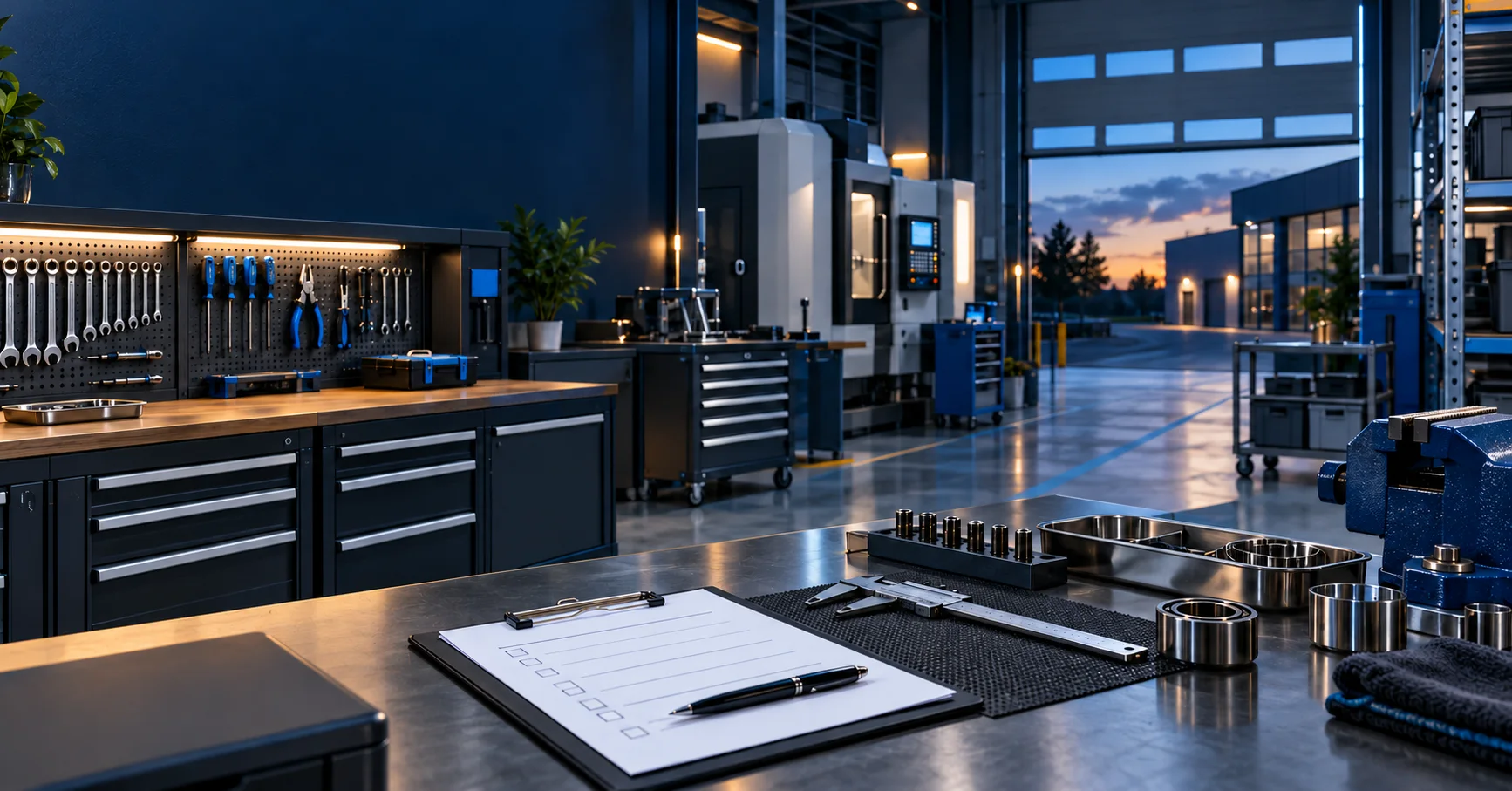
Commission a survey and design, a complete implementation or support for an existing system. The agreement defines inspections, backups, updates, diagnostics, spare parts, support hours and response targets. Algorithm changes are documented and checked before deployment.
Send the process description, controller models, measurements, location and required timing to [email protected]. We will propose scope, phases, acceptance criteria and ongoing operating costs.
EMS with industrial backup power
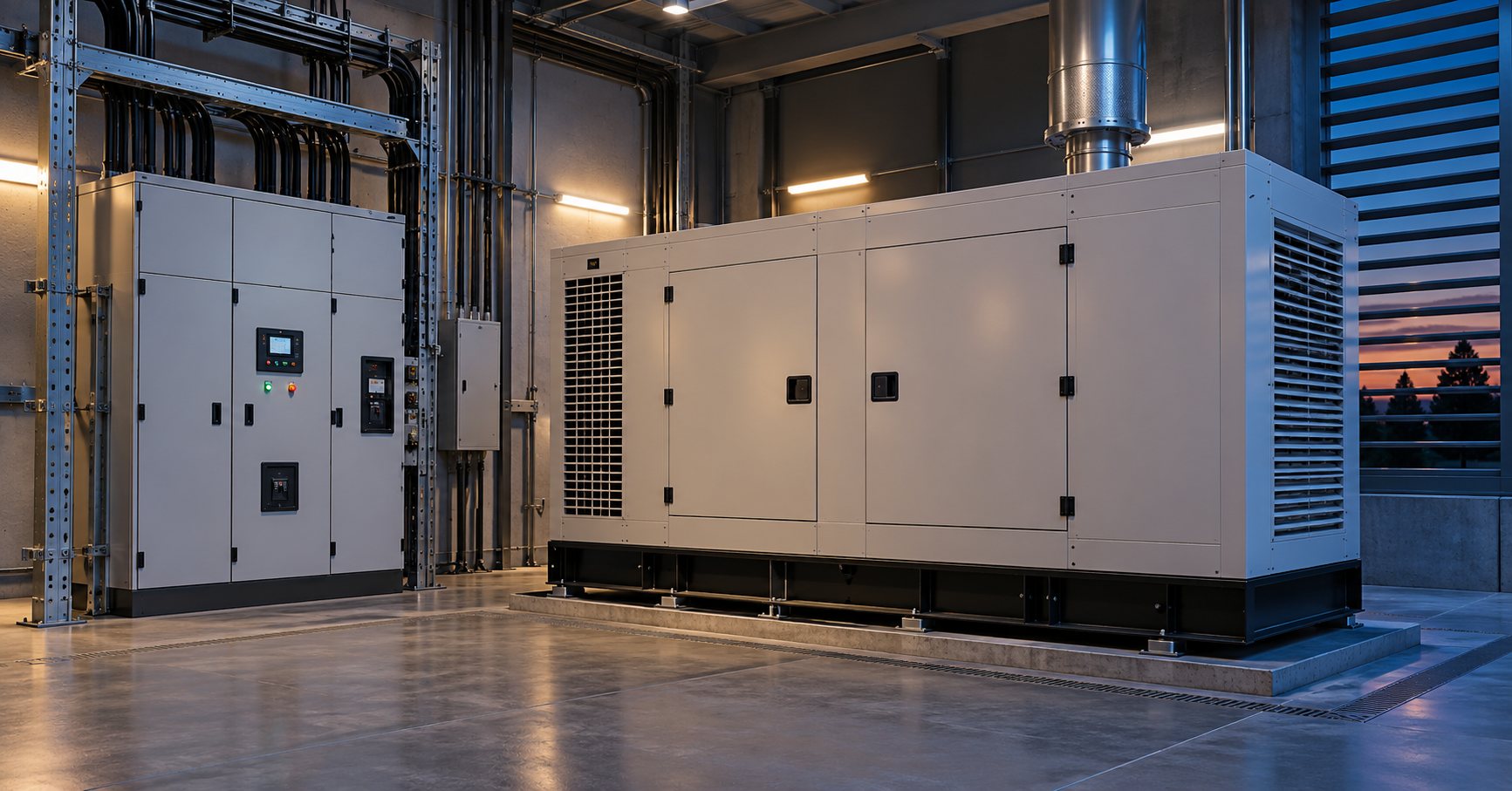 Generators, UPS, ATS, reserve management and metering
Plan the next step.
A new system, an upgrade or a maintenance plan? Send the site details and available documentation.
[email protected]
+48 55 621 29 29